Choose a Memphis General Contractor for Home Renovations
How to Find the Ideal General Contractor for Your Next Home Project
Identifying the most suitable contractor for a residential project is a crucial choice. It requires thorough evaluation of various factors, including expertise, certifications, and interpersonal skills. A large number of homeowners overlook critical elements, resulting in expensive errors. Recognizing how to evaluate candidate contractors can prove highly beneficial. By concentrating on important qualifications and seeking the right answers, one can handle this demanding process more effectively. What steps should be taken to establish a successful contractor partnership?
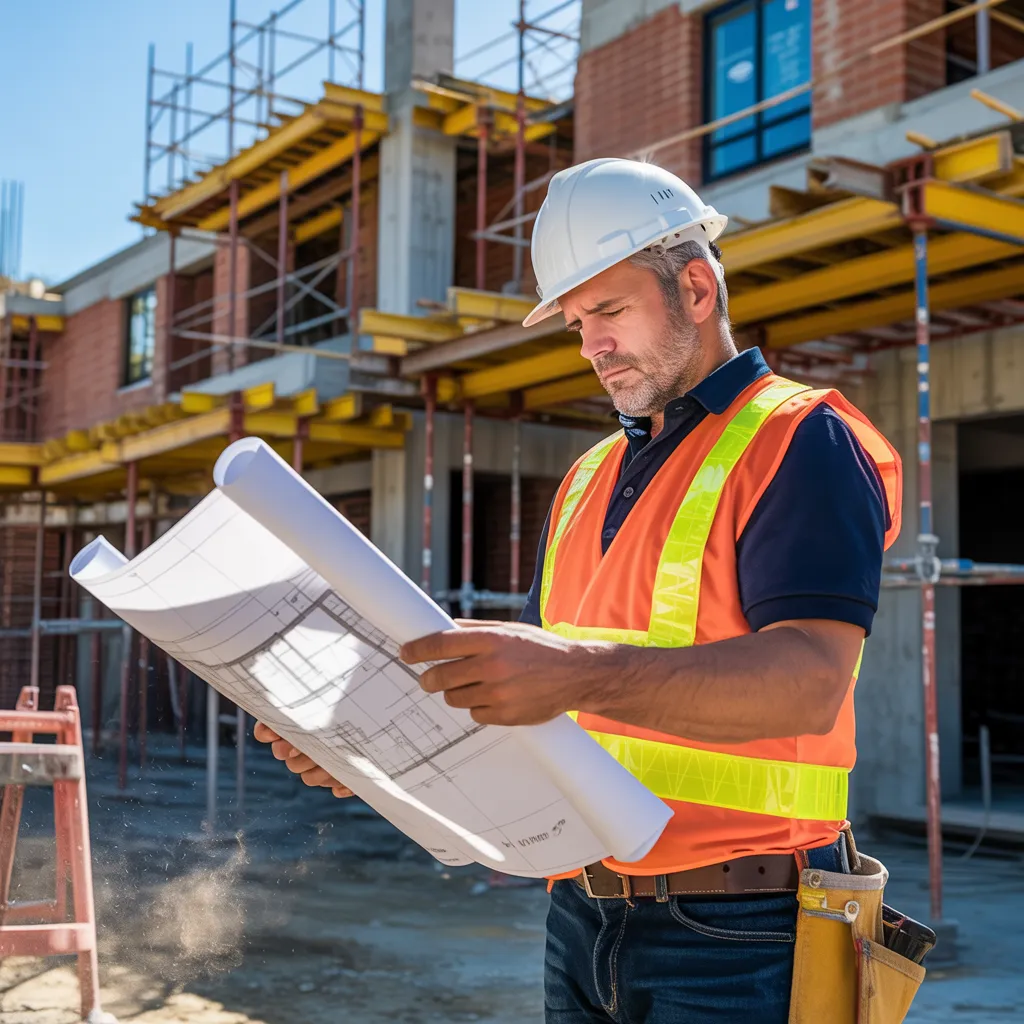
How to Steer Clear of Common Mistakes When Selecting a Contractor
When choosing a construction contractor, how can homeowners navigate the vast number of choices without encountering frequent pitfalls? Potential clients often overlook vital aspects that can result in disappointing results. First, relying solely on price can be problematic; the lowest bid may indicate poor quality or concealed expenses. In addition, failing to verify references or read online reviews can lead to engaging a contractor with an unsatisfactory history. One must also avoid making decisions based on charisma alone; a likable contractor may not demonstrate the needed competence or trustworthiness. Additionally, neglecting to set clear communication and goals can result in confusion and disappointment. To conclude, not reviewing contracts thoroughly before signing can lead to unforeseen responsibilities or insufficient safeguards. By being vigilant and informed, clients can arrive at more assured decisions, ultimately leading to a successful project.
What You Should Look For in a Contractor's Experience
When evaluating a contractor's expertise, a number of important considerations arise. Applicable project history, professional certifications, and a detailed record of accomplished work serve as critical indicators of their capabilities. Assessing these elements can provide valuable insights into the contractor's fit with the given project being considered.
Pertinent Project Experience
Assessing a contractor's relevant professional experience is fundamental for ensuring the success of any construction endeavor. Potential customers should evaluate the contractor's collection of completed work, directing their attention toward completed projects aligned in complexity and approach with their own. This entails scrutinizing the quality of workmanship, commitment to deadlines, and budget management in prior work. Additionally, it is worthwhile to seek information on the varieties of materials selected and the contractor's understanding of local building ordinances and compliance requirements. Feedback and referrals from previous customers can shed light on the contractor's consistency and ability to communicate effectively. When all is considered, a contractor with considerable applicable expertise can manage hurdles proficiently, guaranteeing the work aligns with the homeowner's goals and requirements.
Industry Certifications And Accreditations
Certification and licensing serve as essential indicators of a contractor's professional standing and knowledge in the construction industry. When choosing a general contractor, it is crucial to ensure that they maintain the necessary licenses set forth by local and state regulations. These licenses reflect compliance with construction regulations and safety requirements. Additionally, industry accreditations, such as those from the National Association of Home Builders or similar organizations, reflect a contractor's devotion to high standards and professional development. Contractors with specific accreditations may also exhibit skills in targeted fields, such as sustainable construction or renovation. Ensuring that a contractor has the proper qualifications not only strengthens trust in their abilities but also reduces possible legal and monetary liabilities during the project.
Gallery Of Finished Projects
A contractor's showcase of finished projects serves as an essential tool for evaluating their experience and capabilities. This collection should highlight a diversity of assignments, exhibiting adaptability in diverse approaches and challenges. When examining a project collection, interested parties should pay attention to professional images that accurately showcase the workmanship involved. It is also beneficial to find projects that align with the property owner's specific needs or aesthetic preferences. Careful precision, creative problem-solving, and adherence to timelines are critical signs of a professional's proficiency. Additionally, client testimonials or case studies presented in the collection can deliver valuable perspective into the builder's work ethic and reliability. At the end of the day, a well-rounded body of work can help homeowners make informed decisions about their planned renovations.
How to Validate Your Contractor's Credentials and Licenses
Before engaging a general contractor, it is essential to confirm their credentials and licenses to ensure they meet industry standards. Initiate the process by contacting local licensing boards to ensure that the contractor maintains the appropriate licenses for your area and project type. Each state has its own requirements, so being aware of these can help avoid future issues.
In addition, check on insurance policies, including liability insurance and workers' compensation coverage, to provide a safeguard against any accidents or damages that may occur. Obtain references from prior clients and make contact to evaluate client satisfaction and contractor reliability.
Lastly assess any certifications the contractor may possess, as these often indicate specialized training and adherence to industry best practices. A thorough review process not only ensures adherence but also instills trust in the contractor's capability to execute the project with success.
Why Communication Is Essential in Your Contractor Relationship
Effective communication plays a pivotal role in the relationship between contractors and clients, determining the trajectory of success from the start. Clear dialogue establishes expectations, timelines, and budgets, ensuring both parties are aligned on the project's goals. When clients articulate their vision effectively, contractors are able to offer knowledgeable guidance and tailored solutions, enhancing the overall outcome.
Consistent updates and clear channels of communication enable quick resolution of issues as they arise, minimizing potential delays. Additionally, a contractor who attends to and acts on client feedback cultivates reliability, which is vital for effective teamwork.
Additionally, effective communication helps in managing changes and unexpected challenges, maintaining the project's momentum. This empowers the contractor to modify plans in response to client suggestions, ensuring satisfaction throughout the process. At the end of the day, emphasizing communication not only fortifies the contractor-client partnership but also plays a major role in the successful outcome of the home project.
Critical Questions to Raise with Your Contractor in Early Meetings
In initial meetings with a contractor, clients ought to focus on learning about their experience and qualifications. Clients must discuss the projected schedule and financial scope to confirm compatibility with the client's requirements. These discussions lay the basis for a strong collaboration and well-managed project execution.
Experience and Qualifications
Selecting a general contractor copyrights on understanding their experience and qualifications. Property owners should investigate the specialist's time in the field and the types of projects they have handled. Targeted questions regarding licenses, certifications, and insurance are important, as these guarantee compliance with local codes and offer safeguards during the job. Moreover, assessing prior projects through project samples or references can provide perspective on the professional's reliability and craftsmanship. It is also advantageous to inquire about their familiarity with like projects, as this can signal their capability to handle particular difficulties. At the end of the day, assessing a professional's experience and qualifications fosters confidence and empowers clients make informed decisions about their home improvement projects.
Project Schedule and Budget
How can homeowners ensure their project remains on schedule financially and temporally when meeting with a general contractor? To maintain alignment, they should ask significant questions during initial meetings. Homeowners must inquire about the projected schedule for finishing the project and any foreseeable obstacles that could arise. Understanding the contractor's strategy for overseeing project timing is critical. Additionally, talking about costs from the start is crucial; homeowners should request details about cost estimates, payment schedules, and any built-in allowances for unforeseen expenses. Asking about previous projects can provide insight into the contractor's dependability in completing work on time and staying within budget. By creating open dialogue regarding deadlines and costs, homeowners can build a strong partnership with their contractor, enhancing the likelihood of a completed project within expectations.
Advice for Evaluating References and Analyzing Reviews
What actions should a person take to confirm a general contractor is dependable? To begin, it is crucial to ask for a list of references from prospective contractors. A dependable contractor will promptly offer names and contact information of former clients. A person should reach out to these references to learn about their interactions, paying attention to elements such as communication, quality of results, and punctuality with deadlines.
Furthermore, reading online reviews on platforms like Google, Yelp, or similar review sites can offer helpful information. It is important to notice recurring themes in the reviews—recurring positive or negative feedback can indicate reliability or potential issues.
In addition, looking into complaints lodged with local regulatory authorities or consumer agencies can reveal a contractor's past record. Lastly, requesting recent project photos can assist in evaluating the level of their workmanship. By applying these guidelines, one can make a more informed decision when choosing a general contractor.
Understanding Contractor Pricing and Payment Terms
It is also important for homeowners to understand standard payment structures. Most contractors require a deposit upfront, followed by progress payments tied to project milestones. It's essential to clarify these terms before signing a contract to avoid misunderstandings. It is also advisable for homeowners to ask about any supplementary costs, such as permit fees or unanticipated repairs. Open dialogue about pricing and payment terms fosters a transparent working relationship, which ultimately contributes to a successful project. Understanding these elements empowers homeowners to make informed decisions when selecting a general contractor.
Questions Our Clients Often Ask
How Much Time Will the Project Require to Finish?
The timeline for a project generally differs according to the level of complexity and scale involved. Generally, it may take several weeks to months. Variables including weather patterns, material supply, and workforce availability may considerably affect the projected completion date.
What Happens if Unexpected Issues Arise During Construction
If unexpected issues arise in the course of construction, the contractor routinely examines the issue discusses the matter with the homeowner, and offers potential solutions. Changes to the schedule and budget might be required, guaranteeing openness at every stage of the work.
Does My Project Need Permits or Inspections?
Most construction projects require permits and inspections to guarantee adherence to local construction regulations. You should consult with a general contractor who has knowledge of these requirements, as they can navigate the permitting and approval process effectively.
How Do You Handle Subcontractors and Their Payments?
A reputable contracting professional oversees subcontractors by developing detailed contracts detailing payment terms. They secure punctual financial transactions, copyright get started open communication, and monitor subcontractor work quality, building a team-oriented setting that supports the success and efficiency of projects.
What Are Your Guidelines for Project Changes or Upgrades?
The contractor maintains a adaptable stance to project changes, mandating written confirmation for any improvements. They ensure open communication, analyze financial implications, and modify schedules as needed to address the client's developing needs and expectations.